Loading...
Serving Walnut Creek, CA and surrounding areas. (925) 532-0252
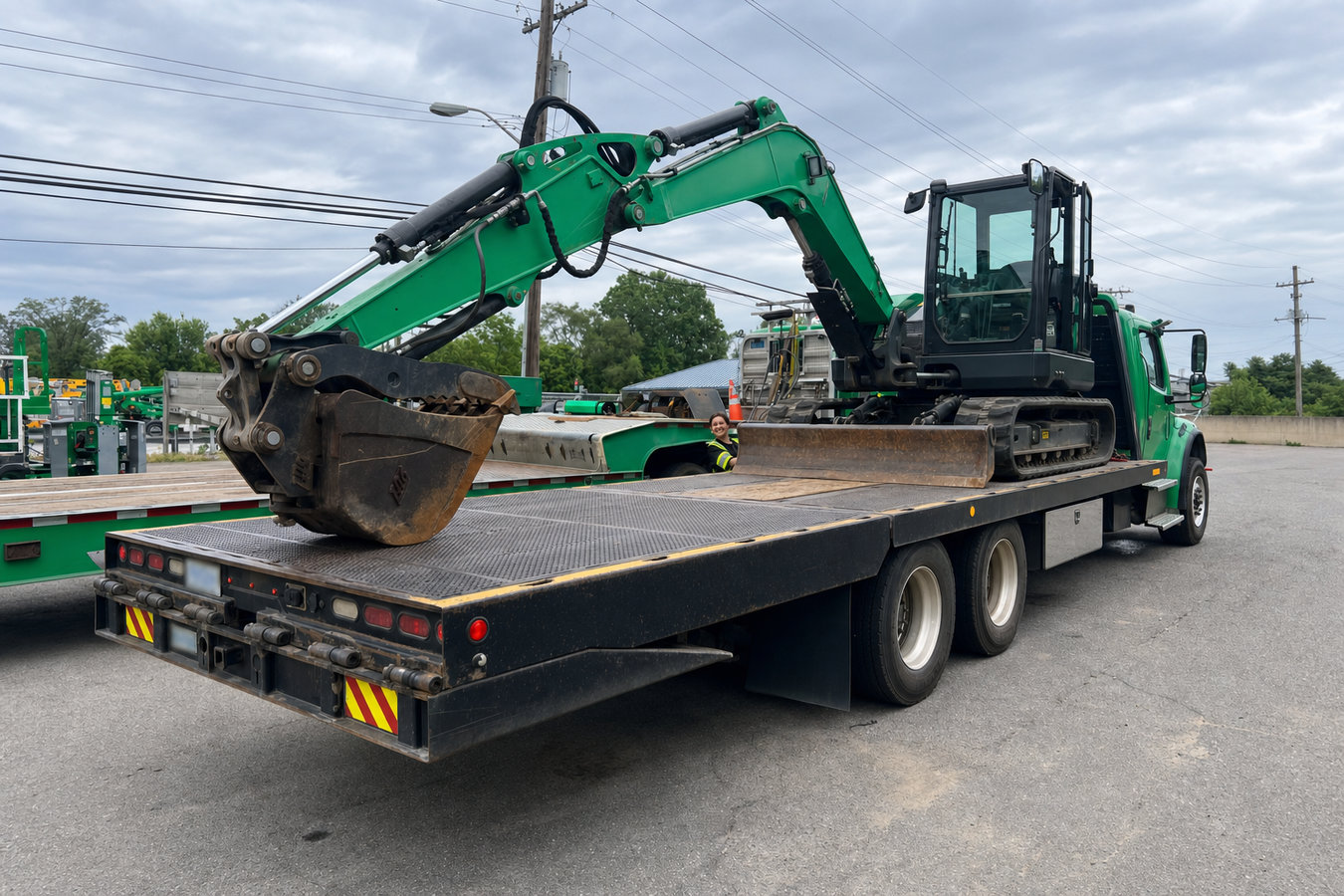
Construction equipment, machinery, and oversized loads moved safely through the I-680 corridor - permitted, rigged, and delivered without downtime on your project.
Heavy equipment and machinery towing in Walnut Creek means sending the right trailer - low-profile flatbed, heavy-duty multi-axle platform, or specialized transport rig - matched to your machine, with permits handled and route planned before the truck leaves the yard. Most on-site loading and rigging takes one to several hours depending on machine size, access, and ground conditions.
Moving a bulldozer, excavator, skid steer, or large generator is not the same as towing a car. Dispatch will ask for the type of machine, its approximate weight and dimensions, whether it can be driven onto a trailer under its own power, and where it needs to go. The more detail you provide, the faster the right crew and rig can be sent. If you also need a flatbed tow for a smaller vehicle on the same job site, we can coordinate both in a single call.
Contractors and fleet managers in the Walnut Creek area who set up an account before something breaks down get faster response and a crew that already knows their equipment and regular sites.
An excavator, bulldozer, or compactor that fails mid-project and cannot be repaired on site is costing you crew time and schedule pressure every hour it sits. Getting it to a shop quickly and a replacement in is exactly what a heavy equipment towing provider is set up to handle.
Contractors working across multiple Contra Costa County sites often need to relocate machines on tight timelines. A provider who knows the local routes, permit requirements, and weight-restricted roads keeps the move on schedule rather than adding delays.
Equipment that has sunk into soft ground, tipped on a slope, or become disabled in a tight job-site corner needs a recovery plan. Operators with the right rigging and winching capability can extract a machine from a compromised position without causing further damage to it or the surrounding site.
Loads too wide or tall for standard travel on these routes require permitted moves, sometimes with escort vehicles. A provider experienced with Caltrans oversize-load requirements and the specific constraints of the Caldecott Tunnel approach can handle the paperwork and routing so you do not have to.
Our heavy equipment towing work covers the full range of construction and industrial machinery - excavators, bulldozers, compactors, skid steers, cranes, large generators, and more. Each move starts with the right trailer matched to the machine weight and dimensions. When a machine cannot be driven onto the trailer under its own power, we use the appropriate winching and rigging to load it safely without damage. For machines that are stuck or compromised on site, a roadside assessment is the first step before any loading begins.
Permitted moves through the I-680 and SR-24 corridors are part of the job. We handle the Caltrans permit application, plan the route around tunnel height and width restrictions, and schedule the move around the time-of-day rules that apply to oversized loads on these highways. When the job also requires a standard vehicle transport to the same destination, our flatbed towing service handles that alongside the equipment move.
For contractors moving excavators, bulldozers, graders, and compactors between active job sites in Contra Costa County.
For businesses that need to relocate large generators, industrial equipment, or oversized commercial assets with proper rigging.
For machines that are stuck, tipped, or disabled in difficult terrain where standard loading is not possible without first extracting the machine.
For loads that exceed standard road limits and require Caltrans permits, route planning, and time-of-day scheduling on I-680 and SR-24.
Walnut Creek sits at the junction of I-680 and State Route 24, two of the most heavily traveled freight and commuter corridors in the East Bay. Heavy equipment moves crossing into or out of the Lamorinda area via SR-24 must navigate the Caldecott Tunnel, which has height and width restrictions that affect oversized loads. Routing and permit planning matter here more than in a flat, open metro. The Walnut Creek and broader Contra Costa County area has also seen sustained commercial and residential development, meaning construction equipment moves regularly between active job sites in this corridor.
The hills and canyons surrounding Walnut Creek - including the grades leading toward the Diablo foothills and the ridgelines to the east and west - create real challenges for heavy transport. Loaded trailers on steep descents require experienced operators and properly rated equipment. Contractors working out of Concord or moving equipment south toward Danville on I-680 face the same corridor constraints. A provider who knows these routes, weight-restricted roads, and job-site access points can plan moves more efficiently and avoid delays.
Dispatch will ask for the type of machine, its approximate weight and dimensions, the pickup address, and the destination. They will also ask whether the machine is operational or needs to be winched. The more detail you provide, the faster the right rig can be sent - no wasted trips.
For oversized or overweight loads, the company determines whether a Caltrans transport permit is required before the move begins. This step is handled on your behalf, but factor permit lead time into your schedule - especially for large machines crossing multiple jurisdictions.
The crew walks around the machine, checks ground conditions, identifies correct tie-down points, and assesses site access before anything is moved. The machine is then driven, winched, or rigged onto the trailer with chains and binders rated for the load.
The operator follows the permitted route and keeps you updated on arrival time. At the destination, the crew positions the trailer for safe unloading. Walk around the machine before the crew leaves and confirm it arrived in the condition it left - a professional crew expects this step.
Tell us your machine, your location, and where it needs to go. We will give you a straight answer on equipment, timing, and cost - no surprises.
(925) 532-0252When you call about a 20-ton excavator or a large compactor, we ask the right questions and send equipment matched to the actual weight and size of your machine. No wasted trips, no on-site improvisation, and no damage from undersized rigging.
Permitted moves through the Caldecott Tunnel approach and along I-680 involve routing decisions, time-of-day restrictions, and Caltrans paperwork that can slow an unprepared operator. We know this corridor, handle the permit process, and plan moves that comply with local requirements from the start. Review Caltrans oversize load requirements for current rules.
Recognized industry certification programs for heavy and commercial towing operators demonstrate the crew has been trained specifically in rigging, load securement, and recovery techniques for large equipment - not just light-duty towing. Ask whether the operators on your job hold current certification.
Contractors and fleet managers who set up a relationship before a breakdown occurs get faster response and a crew that already knows their equipment and regular job sites. When something goes wrong on a Monday morning, you are making one call to someone who already knows you.
The combination of local corridor knowledge, correctly rated equipment, and certified operators means your machine moves safely and your project timeline does not stop longer than it has to. When you need a heavy transport contact before the next emergency, we are the team to call.
On-the-spot help for battery jumps, flat tires, lockouts, and fuel delivery so you can get moving again without a tow.
Learn MoreAll-wheel-up transport for vehicles, light equipment, and loads that need a fully enclosed trailer deck from pickup to drop-off.
Learn MoreEvery hour a machine sits idle on your job site costs you money - call today and we will get you a clear quote and a move scheduled without delay.